 ITA
ITAHow to Pass a Prop Firm Challenge on First Try: 7 Key Tips
Learn how to pass a prop firm challenge on your first try in 2026. Discover proven strategies for risk management, trading psychology, and rule compliance.
Short answer
Learn how to pass a prop firm challenge on your first try in 2026. Discover proven strategies for risk management, trading psychology, and rule compliance. In a prop firm context this still sits under simulated-capital rules: fees buy access to the evaluation or funded environment, not a deposit of trading capital.
Simulated capital: prop firm evaluation and funded stages discussed here typically run on simulated accounts. Challenge fees pay for access to that environment; they are not a deposit of trading capital. ITAfx accounts are simulated capital.
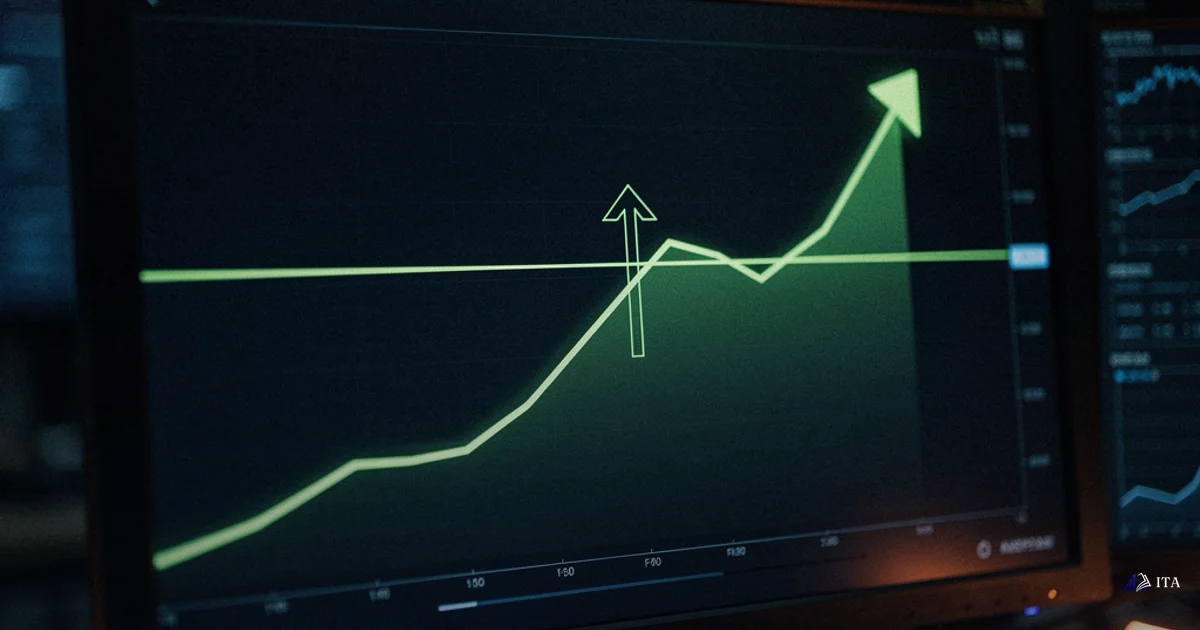
Key Takeaways for Passing Prop Firm Challenges
Here's an uncomfortable truth: traders who pass prop firm challenges on their first attempt aren't better traders. They're better at taking tests.
The data is stark. According to educator commentary and trading communities, roughly 90% of retail traders fail at least one evaluation before getting funded. The 10% who pass immediately? They've discovered something the majority miss: a prop firm challenge isn't a trading competition, it's a risk management exam disguised as one.
Most traders approach challenges with their regular trading mindset. They see an 8-10% profit target and think "I need to trade well." They load up their favourite indicators, apply their standard 2% risk per trade, and start hunting setups. Within days, they've breached the daily loss limit or hit maximum drawdown. Not because they can't trade, but because they're playing the wrong game.
But here's what changes everything: successful first-time passers don't trade during challenges. They execute a predetermined probability sequence.
Understand the Prop Firm Challenge Requirements
Think about it. Modern prop firm challenges cluster around predictable parameters: 8-10% profit targets, 10% maximum drawdown, 4-5% daily loss limits. These aren't arbitrary numbers, they're carefully calibrated to eliminate traders who can't follow rules under pressure.
The firms aren't testing whether you can make money. They're testing whether you can not lose money while still showing modest growth. This fundamental misunderstanding explains why so many capable traders fail repeatedly. They're optimising for the wrong outcome.
The mechanical framework that actually works starts with three non-negotiable rules:
- First, position sizing drops to 0.5-1% risk per trade, half of what most educators recommend for simulated trading
- Second, daily loss limits are capped at 50% of the firm's maximum, if the firm allows 5% daily loss, you stop at 2.5%
- Third, trade frequency plummets to 1-3 high-conviction setups per day, often just one
This isn't trading. It's systematic probability execution. Understanding how to pass a prop firm challenge on first try means accepting this reality.
Develop a Robust Risk Management Framework
Let's examine why this works. With 0.5% risk per trade and a conservative 1:2 risk-reward ratio, you need just 8 winning trades to hit a 10% target (assuming a 50% win rate and accounting for losses). Across a 30-day challenge, that's less than one winning trade every three days.
The maths is almost boring in its simplicity. But most traders can't execute boring. They see price action they'd normally trade and feel compelled to take it. They hit a winning streak and increase position size. They have a losing day and try to recover immediately.
Each deviation increases the probability of rule breach. Remember what we said about this being a test, not a competition? Here's where that connects: the most successful challenge passers run full simulations under exact challenge conditions for at least 30 days before paying for an evaluation.
Not demo trading, challenge simulation: same profit targets, same drawdown limits, same daily loss rules, same psychological pressure of knowing one mistake means failure. The data supports this approach: multiple guides stress that rule-breaking, not poor strategy, is the primary reason traders fail evaluations.
Key violations include:
- Exceeding daily loss limits
- News trading violations
- Revenge trading after losses
- Changing strategies mid-challenge
The pattern is consistent: emotional decisions under pressure, not technical incompetence.
The visual below maps how these violations typically escalate from a single missed rule to full evaluation failure.

Master Trading Psychology and Discipline
It goes further than that. Prop firm selection itself has become a critical success factor. The 10% who pass first time spend weeks researching firms. They favour those with balance-based drawdown over trailing equity drawdown.
They verify payout histories on independent platforms. They match challenge rules to their actual trading statistics, not their aspirational ones. This is where most traders reveal their amateur mindset.
They choose firms based on marketing promises or the lowest challenge fees. The professionals? They choose based on rule alignment with their proven edge.
Consider the psychology required:
- You're sitting at your desk, watching perfect setups form that you'd normally trade
- Your backtested strategy is screaming "enter now"
- But you've already taken your one allocated trade for the day
- So you sit. You wait. You do nothing.
This is the paradox that breaks most traders: succeeding at a prop firm challenge requires you to trade worse than you normally would. Less frequently. More conservatively. With artificial constraints that have nothing to do with market conditions. Learning how to pass a prop firm challenge on first try means mastering this paradox.
The illustration below captures that tension between disciplined execution and the urge to chase bigger moves.
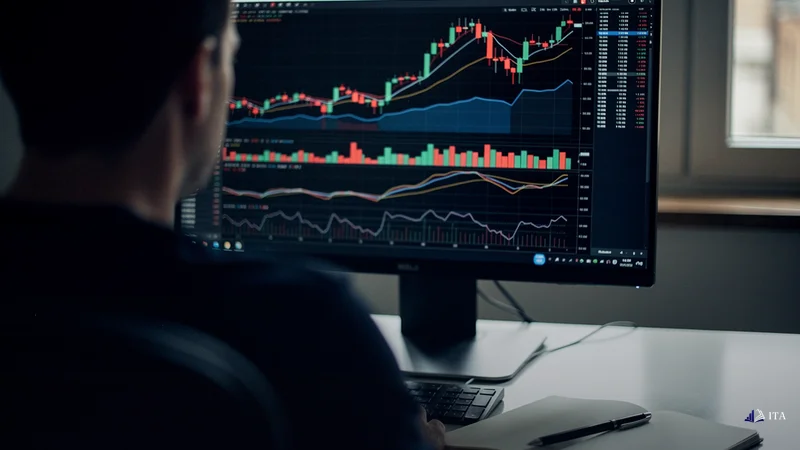
Choose the Right Prop Firm
The industry has responded by tightening controls further. Some firms now include consistency rules, limiting how much profit can come from a single day. Others monitor for "gaming" patterns.
The message is clear: they want systematic, boring, predictable traders who follow rules regardless of market opportunity. Now that you understand this framework, we can talk about what really matters: the pre-challenge preparation that separates the 10% from everyone else.
First, the technical preparation. Before purchasing any challenge, you need hard data on your actual trading performance:
- Not your best month or your theoretical edge, but your rolling 90-day statistics
- Win rate, average risk-reward, largest drawdown
- Most consecutive losses, average daily P&L distribution
If you can't produce these numbers instantly, you're not ready for a challenge.
Second, the simulation phase. Run a minimum of two complete challenge cycles under exact rules using a free trial or demo account. Track every metric. Journal every trade.
Experience the psychological pressure of approaching drawdown limits. Most importantly, prove you can hit the profit target while staying well within risk parameters. If you can't pass a free simulation twice, paying for a real challenge is simply donating money.
The graphic below lays out the firm-vetting checklist worth running before committing to any single evaluation.

Simulate the Challenge
Third, the firm selection matrix. Build a spreadsheet comparing at least five firms across key parameters:
- Drawdown type (balance vs. equity)
- Daily loss calculation method
- Minimum trading days
- Consistency rules
- Payout history
- Regulatory status
Match these against your proven trading statistics. The firm whose rules best align with your natural trading pattern gives you the highest probability of success.
But here's the counterintuitive part: even with perfect preparation, the actual challenge execution remains mechanical, not dynamic. You don't adapt to market conditions. You don't increase risk after wins or reduce after losses.
You execute the same boring, systematic approach every single day until you hit the target. This is what the 90% who fail can't accept. They want to prove they're good traders.
They want to show their full range of skills. They want to maximise profits and beat the challenge quickly. The 10% who pass? They just want the funded account.
They'll prove their trading skills after they're funded, when the rules are less restrictive and the capital is larger. Funded. This mindset shift is crucial for understanding how to pass a prop firm challenge on first try.
The visual below sketches what a realistic 30-day simulation schedule looks like in practice.

Focus on Consistency over Profitability
One final truth that most educators won't tell you: the traders who pass challenges on their first try often make less money during the evaluation than those who eventually pass after multiple attempts. They take fewer trades, capture smaller moves, and leave significant profits on the table. But they pass. First time. Without the stress, cost, and psychological damage of multiple failures.
The closing thought is simple: if you're approaching a prop firm challenge as a chance to showcase your trading prowess, you've already failed. Approach it as a boring probability exercise with predetermined rules, and you might just join the 10% who only need to take it once. Master how to pass a prop firm challenge on first try by embracing the mechanical nature of the test.
Ready to get funded?
50% off instant accounts with code 50CRYPTO.
Get Funded →Pair this process with the sourced 2026 challenge rules and requirements guide so the targets you train against match live terms.
Frequently Asked Questions
What are the most common reasons traders fail prop firm challenges?
A large share of failures stem from rule violations, particularly exceeding daily loss limits and breaking consistency requirements. Emotional trading decisions under pressure, over-leveraging positions, and attempting to recover losses quickly are common causes. Most failures stem from poor discipline, not inadequate strategy.
How much should I risk per trade in a prop firm challenge?
Risk 0.5-1% of account balance per trade during challenges, significantly lower than normal trading. This conservative approach allows multiple consecutive losses without breaching drawdown limits. With proper risk-reward ratios, you need fewer winning trades to hit profit targets while maintaining safety margins.
Is it realistic to pass a prop firm challenge on the first try?
Yes, but only a small minority of traders achieve this. Success requires treating the challenge as a risk management test, not a trading competition. Proper preparation through simulation, conservative position sizing, and strict rule adherence are essential for first-attempt success.
How long should I demo trade before buying a prop firm challenge?
Complete at least two full challenge simulations under exact rules for 30+ days each before purchasing. This preparation phase should demonstrate consistent ability to hit profit targets while staying within drawdown limits. Most successful first-time passers spend 60-90 days in simulation.
Should I change my trading strategy just for a prop firm challenge?
Never change your proven strategy for a challenge. Instead, adapt your risk management and trade frequency to match challenge constraints. Use the same setups but with reduced position sizes, lower daily trade limits, and stricter stop-loss discipline to align with evaluation requirements.

Key Takeaways
- Limit risk to 0.5-1% per trade during challenges, half the standard recommendation prevents 90% of drawdown violations.
- Cap daily losses at 50% of firm limits: if they allow 5% daily loss, stop at 2.5%.
- Execute only 1-3 high-conviction setups per day, quality over frequency separates successful challengers from failures.
- Run complete challenge simulations for 30 days before paying fees to prove you can hit targets within constraints.
- Choose firms based on rule alignment with your proven statistics, not marketing promises or lowest fees.
- Focus on balance-based drawdown firms over trailing equity, they offer better protection during winning streaks.
- Accept that passing challenges requires trading worse than normal, less frequently, more conservatively, with artificial constraints that ignore market opportunities.
Challenge paths still sit next to instant models. If you are weighing both, start with the prop firm instant funding guide before you buy an evaluation seat.