
Best Time to Trade US30 (Dow Jones) for Prop Firm Traders: 2026 Session Guide
Discover the optimal trading hours for US30 (Dow Jones) that maximize prop firm success. Learn why 9:30-11:00 AM ET delivers the highest volatility and.
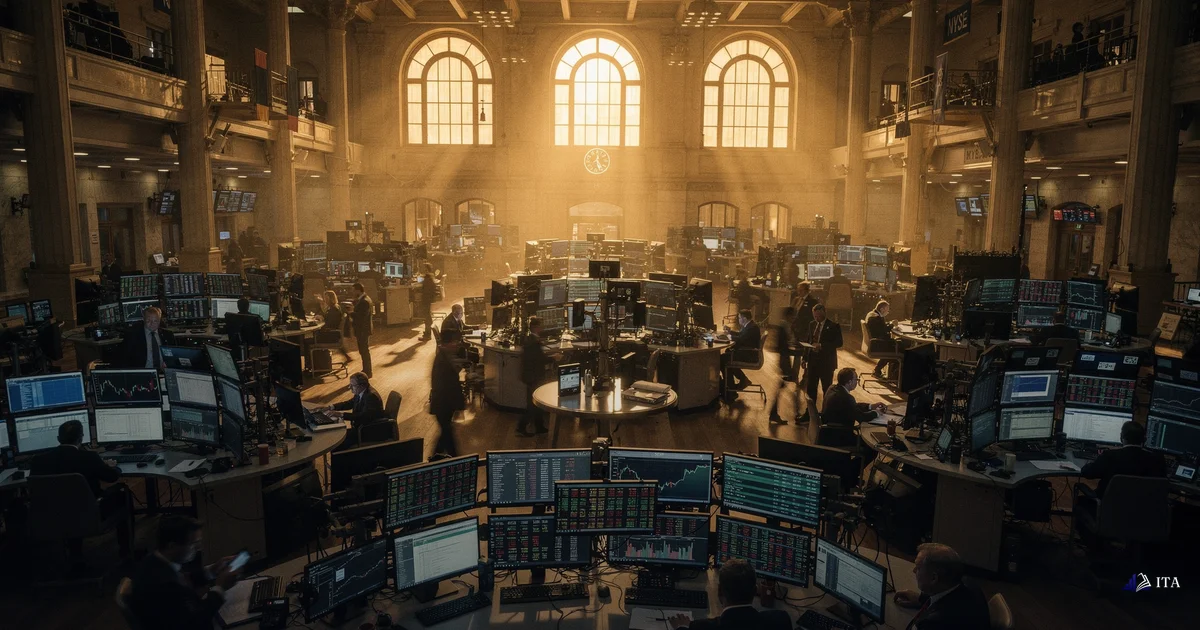

Understanding Prop Firm Trading Rules and US30 Timing
Prop firm trading rules require understanding US30's volatility patterns, particularly during macroeconomic releases that occur 60 minutes before the 9:30 AM cash open. The Federal Reserve Bank of New York documented that volatility during these releases can exceed normal levels by several times, creating a pressure cooker effect as institutional money enters at market open.
This brings us to the first key insight: the best time to trade US30 isn't just "market hours", it's specifically 9:30-11:00 AM ET.
During this window, spreads tighten to their lowest levels of the day. Bid-ask spreads in index CFDs are typically wider during Asian hours and narrow during US regular trading hours For a prop firm trader managing tight stop losses, this spread differential alone can mean the difference between a winning and losing day.
But spreads are just the beginning. The real advantage comes from understanding order flow dynamics. Large institutions don't randomly buy or sell, they execute programs. These programs often run on schedules, particularly around the open. Market-on-open orders, VWAP algorithms starting their day, and portfolio rebalancing all concentrate in the first hour.
For prop firm traders, this creates a specific edge. Instead of trying to predict where price will go, you can ride the wave of institutional order flow. The question isn't "will US30 move?", it's "which direction is the institutional money pushing?"
Now, you might think the action dies down after the morning rush. And you'd be partially right.
From 12:00 PM to 2:00 PM ET, US30 enters what professionals call the "lunch lull." Volume drops, spreads widen slightly, and price action becomes choppy. This is when New York traders step away from their desks, algorithms throttle back, and the market loses its direction.
For a retail trader with unlimited time and no daily loss limits, this might seem like just another opportunity. But for prop firm traders, this is a danger zone. The same position size that makes sense during liquid morning hours becomes a liability during thin lunch trading. One news headline, one large order, and you can get stopped out by a move that immediately reverses.
The Primary Window: New York Cash Session Open (9:30-11:00 AM ET)
This is why the pros have a saying: "Never trade lunch."
But then something interesting happens at 2:00 PM ET. The European markets are closing. London traders are squaring positions. And US institutions are beginning to position for the close. This creates the second golden window: 2:00-4:00 PM ET.
The Bank for International Settlements identified this U-shaped volatility pattern across equity index futures from 1996-2016. Volatility is highest at the open, lowest in the middle of the day, and surges again near the close. But unlike the morning session which can be influenced by overnight gaps and pre-market news, the afternoon session has a different character.
Afternoon moves tend to be more trending, more deliberate. This is when mutual funds execute their daily rebalancing, when hedge funds adjust positions before the overnight session, when the "smart money" makes its final decisions of the day. For prop firm traders, this presents a different type of opportunity than the morning, less explosive perhaps, but often more sustainable.
The contrast with other trading windows couldn't be starker.
During the Asian session (8:00 PM - 4:00 AM ET), US30 moves on vapor. Volume is thin, spreads are wide, and price action is largely driven by algorithmic market making rather than genuine order flow. A South African trading analysis found that over 80% of US30's daily range forms during the core US hours — meaning overnight traders are fighting for scraps.
For prop firm traders, this creates a specific problem. With daily loss limits of 3%, a single stop-run during thin Asian hours can wipe out half your allowable drawdown. You're essentially gambling on low-probability moves with unfavorable risk-reward dynamics.
The math is unforgiving. If you need to make 6% to pass a challenge, and you're risking 1% per trade during Asian hours where moves are unpredictable and spreads are wide, you need a win rate that's simply unsustainable. But during the New York session, when moves are cleaner and spreads are tight, that same 1% risk can capture 1.5-2% rewards consistently.
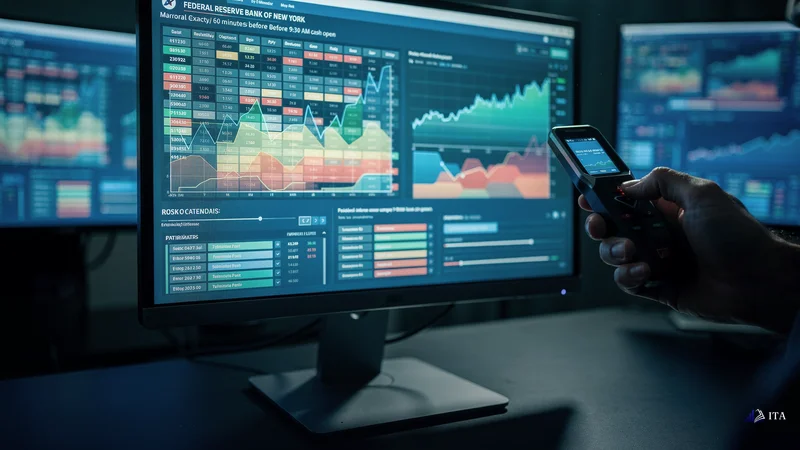
Secondary Opportunities: US Afternoon Session (2:00-4:00 PM ET)
The US afternoon session between 2:00-4:00 PM ET offers secondary trading opportunities for prop traders, though with different risk-reward characteristics than the morning session. Prop firm constraints must be carefully considered during this period, as reduced liquidity can amplify both profits and drawdowns.
Prop firms don't just give you capital, they give you rules. And these rules aren't arbitrary. They're designed to identify traders who can generate consistent returns without excessive risk. The daily loss limit forces discipline. The maximum drawdown prevents revenge trading. The profit target (for challenge accounts) ensures you can actually execute a positive expectancy strategy.
These constraints align perfectly with session-based trading. When you limit yourself to the highest probability windows, 9:30-11:00 AM ET and 2:00-4:00 PM ET, you're not just following the volume. You're positioning yourself where the institutional traders are, where the spreads are tightest, where the technical levels are most respected.
Consider news trading restrictions, another common prop firm rule. Many firms prohibit trading around high-impact news events. At first, this seems limiting. But when you understand that the Federal Reserve Board research shows volatility during FOMC announcements can be two to three times normal levels, the restriction makes sense. It's not about preventing profits, it's about preventing lottery-ticket trading.
The technical tools that work during peak hours are surprisingly simple.
During the 9:30-11:00 AM ET window, three indicators dominate: VWAP (Volume Weighted Average Price), the opening range (first 30-60 minutes), and key levels from the previous day. These aren't exotic tools, they're what institutions actually use.
VWAP acts as a dynamic support/resistance level that institutional algorithms respect. When US30 is above VWAP with increasing volume, institutions are net buyers. When it's below with volume, they're net sellers. During peak hours, VWAP becomes a magnet that price tests repeatedly. Our guide on Best Time to Trade Gold (XAU/USD) for Prop covers this in more depth.
The opening range, typically the high and low of the first 30-60 minutes, creates the day's initial balance. According to market profile theory, when price breaks above or below this range with volume, it tends to continue in that direction. For prop firm traders using tight risk parameters of 10-15 point stops, these breaks offer optimal entry points.
Times to Avoid: Low-Probability Trading Periods
Low-probability trading periods for US30 include overnight sessions and pre-market hours when institutional participation is minimal. Previous day's high, low, and close levels act as magnets during opening sessions, with institutional traders monitoring these levels across thousands of algorithms, making certain periods predictably unprofitable.
But tools are just tools. The real edge comes from understanding time zone arbitrage.
For a trader in London, the New York open occurs at 2:30 PM local time, perfectly positioned after lunch when European traders are alert and focused. For someone in Singapore, it's 9:30 PM, late enough to trade after work but early enough to maintain focus. For Sydney-based traders, it's challenging at 12:30 AM, but the afternoon session at 4:00 AM Sydney time aligns with early morning routines.
At ITAfx, traders from 97+ countries have discovered that success isn't about trading more hours — it's about trading the right hours. A funded trader in Dubai who focuses solely on the 5:30-7:00 PM local time (9:30-11:00 AM ET) can outperform someone in New York who trades all day.
This geographic arbitrage extends beyond just time zones. Different prop firms have different rules about overnight holding, news trading, and position sizing. By understanding exactly when US30 offers the best risk-reward dynamics, you can select firms whose rules align with your peak trading windows.
The evolution from retail to funded trader often hinges on this session discipline.
Retail traders, burning their own capital, feel pressure to trade constantly. Every hour the market's open feels like a missed opportunity. But funded traders learn quickly that selectivity beats frequency. When you're managing a $200,000 funded account with a 3% daily loss limit, you can't afford to take marginal trades during lunch hours or overnight sessions.
The math is compelling. A trader focusing only on the 3.5 peak hours (9:30-11:00 AM and 2:00-4:00 PM ET) needs far fewer trades to hit monthly targets. If each session offers one high-probability setup with a 1:1.5 risk-reward ratio, that's two trades per day. With a 60% win rate — achievable when you're trading with institutional flow rather than against it — the monthly returns compound quickly.
Adapting Strategies to Prop Firm Constraints and Session Dynamics
This selective approach also aligns with prop firm consistency rules. Many firms require traders to demonstrate consistent daily returns without large deviations. It's easier to maintain consistency when you're trading the same high-quality windows each day rather than hunting for setups during random hours.
Building a session-based trading plan starts with honest assessment.
What time zone are you in? When are you naturally most alert? Can you commit to being at your desk every day at 9:25 AM ET? For many international traders, the afternoon session (2:00-4:00 PM ET) offers a more sustainable schedule. The moves might be slightly smaller than the opening fireworks, but they're often cleaner trends that align with end-of-day positioning.
Your pre-market routine becomes crucial. Professional prop traders don't stumble to their desks at 9:29 AM. They're prepared by 9:00 AM, having reviewed overnight price action, checked economic calendars, identified key levels, and planned potential scenarios. This 30-minute investment pays dividends when the market opens and decisions need to be made quickly.
The post-market review is equally important. What worked? What didn't? Were the session dynamics normal or unusual? Over time, you'll notice patterns, perhaps Mondays have different opening dynamics than Fridays, or FOMC days create afternoon opportunities that normal days don't.
Seasonal patterns add another layer to session selection.
During earnings season (January, April, July, October), the opening session can be more volatile as major Dow components report results. The index might gap significantly based on Apple or Microsoft earnings, creating different dynamics than a normal trading day.
Summer months (July-August) often see reduced institutional participation, making afternoon sessions less reliable. December brings year-end rebalancing, creating unique opportunities in the final trading hour as funds adjust positions for tax and reporting purposes.
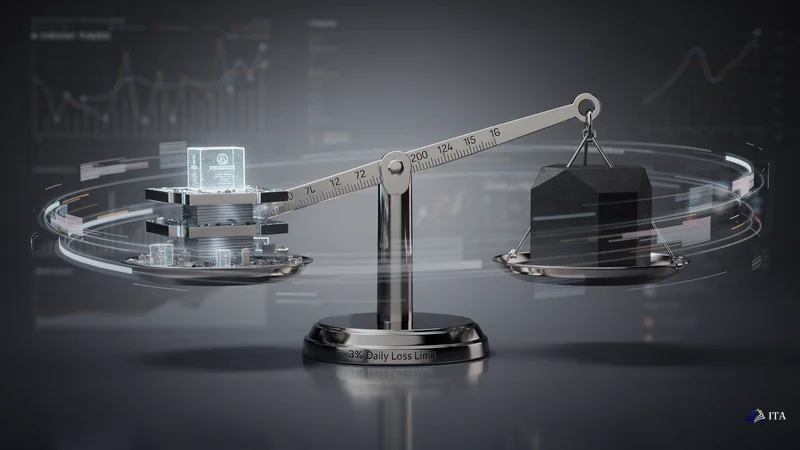
Technical Tools and Global Time Zone Conversions for US30 Traders
Technical tools for US30 traders must account for global time zone conversions, particularly during seasonal daylight saving adjustments that affect market timing. These conversions don't change the core principle of trading when institutions trade, but they help refine entry timing and position sizing decisions throughout the year.
The psychological shift from "always on" to "session trader" is profound.
When you know you only need to be "on" for 3.5 hours per day, you can bring intensity and focus that's impossible to maintain for a full trading day. You're not conserving mental energy for potential afternoon setups while trading the morning. You're not holding positions through lunch hoping they'll work out. You're surgical, in and out during peak efficiency windows.
This approach also prevents the slow bleed that kills most prop firm accounts. Instead of taking mediocre setups because you're bored at 10 PM, you wait for your window. Instead of revenge trading after a morning loss, you have clear session boundaries. The market will be there tomorrow at 9:30 AM, you don't need to force trades today.
For traders transitioning to funded accounts through ITAfx's instant account program, this session discipline often determines success. The firm provides the capital and infrastructure, but the trader must provide the discipline to use it wisely. Trading only during peak US30 hours is perhaps the single most important discipline to master.
The path forward is clear but requires commitment.
Set your alarm for 30 minutes before your chosen session. Review your levels, check the calendar, prepare your mind. When the session opens, execute your plan with the confidence that comes from trading alongside institutional order flow. When the session ends, close your platform. The market will offer more opportunities tomorrow, during the same reliable windows.
The traders who succeed in prop firms aren't necessarily the smartest or the most talented. They're the ones who discovered that edge in trading doesn't come from complex systems or inside information. It comes from simple disciplines executed consistently. And perhaps no discipline is more important than knowing exactly when to trade, and more importantly, when not to.
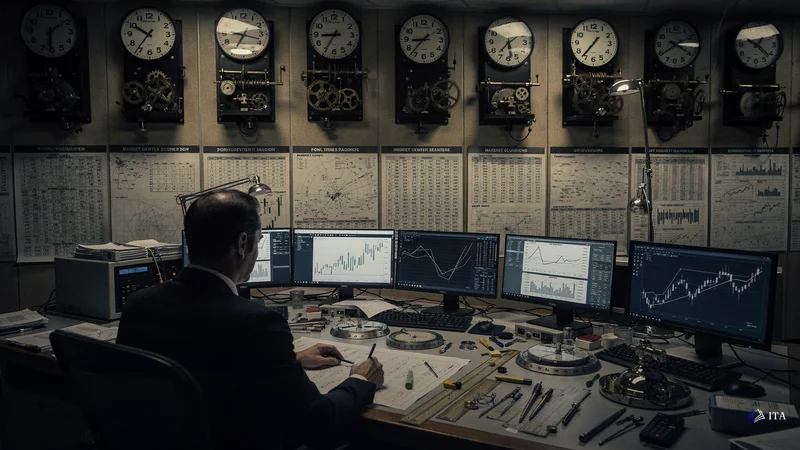
Building a Session-Based US30 Trading Plan for Funded Success
The best time to trade US30 for prop firm success isn't a secret. It's hiding in plain sight, broadcast in volume data and spread differentials every single day. The question isn't whether you know the optimal windows, it's whether you have the discipline to trade only during those windows. Because in prop trading, as in all professional endeavors, timing isn't just important. Timing is everything.
Frequently Asked Questions
What is the best time to trade US30 for prop firm traders?
The best time to trade US30 for prop firm traders is 9:30-11:00 AM Eastern Time during the New York cash session open. This window offers the highest volatility and liquidity as underlying Dow stocks begin trading, creating optimal conditions for meeting profit targets within prop firm risk constraints.
Why should prop traders avoid trading US30 during Asian hours?
Asian hours (8:00 PM-4:00 AM ET) feature thin volume, wide spreads, and unpredictable price action driven by algorithmic market making rather than genuine order flow. With prop firm daily loss limits of 3%, a single stop-run during these hours can consume half your allowable drawdown for minimal reward potential.
How do prop firm rules affect US30 trading session selection?
Prop firm constraints like daily loss limits (typically 3%) and maximum drawdown rules favor trading during high-liquidity windows when spreads are tight and slippage is minimal. The New York session (9:30-11:00 AM ET) and afternoon session (2:00-4:00 PM ET) provide the best risk-reward dynamics for these constraints.
What technical indicators work best for US30 during peak trading hours?
During peak US30 hours, three indicators dominate: VWAP as dynamic support/resistance watched by institutions, short EMAs (9 & 20 periods) for momentum confirmation, and key levels from the previous day's high, low, and close as price magnets for opening moves.
Can prop traders safely trade US30 during major economic news releases?
Many prop firms restrict trading around high-impact news events like FOMC announcements, where volatility can be two to three times normal levels. At ITAfx, traders should check their specific account rules regarding news trading, as these restrictions prevent lottery-ticket trading and protect account longevity.
Key Takeaways
- Trade US30 during 9:30-11:00 AM Eastern Time when institutional algorithms activate and 60-70% of daily price range forms.
- Focus on the afternoon session 2:00-4:00 PM ET for cleaner trending moves driven by end-of-day institutional positioning.
- Avoid the lunch lull 12:00-2:00 PM ET when volume drops and spreads widen, creating choppy price action unsuitable for prop firm rules.
- Use VWAP as dynamic support/resistance during peak hours — institutions respect this level across thousands of algorithmic strategies.
- Limit overnight Asian session trading where 80% of moves are market-making driven rather than genuine institutional order flow.
- Set 30-minute pre-market preparation routine by 9:00 AM ET to review levels and scenarios before the opening bell.
- Apply session discipline with clear boundaries — trade only during peak windows to maintain consistency required for funded accounts.
Start Your Trading Evaluation
Simulated funded accounts up to $800K. Up to 95% profit split.
Get Funded